Trending

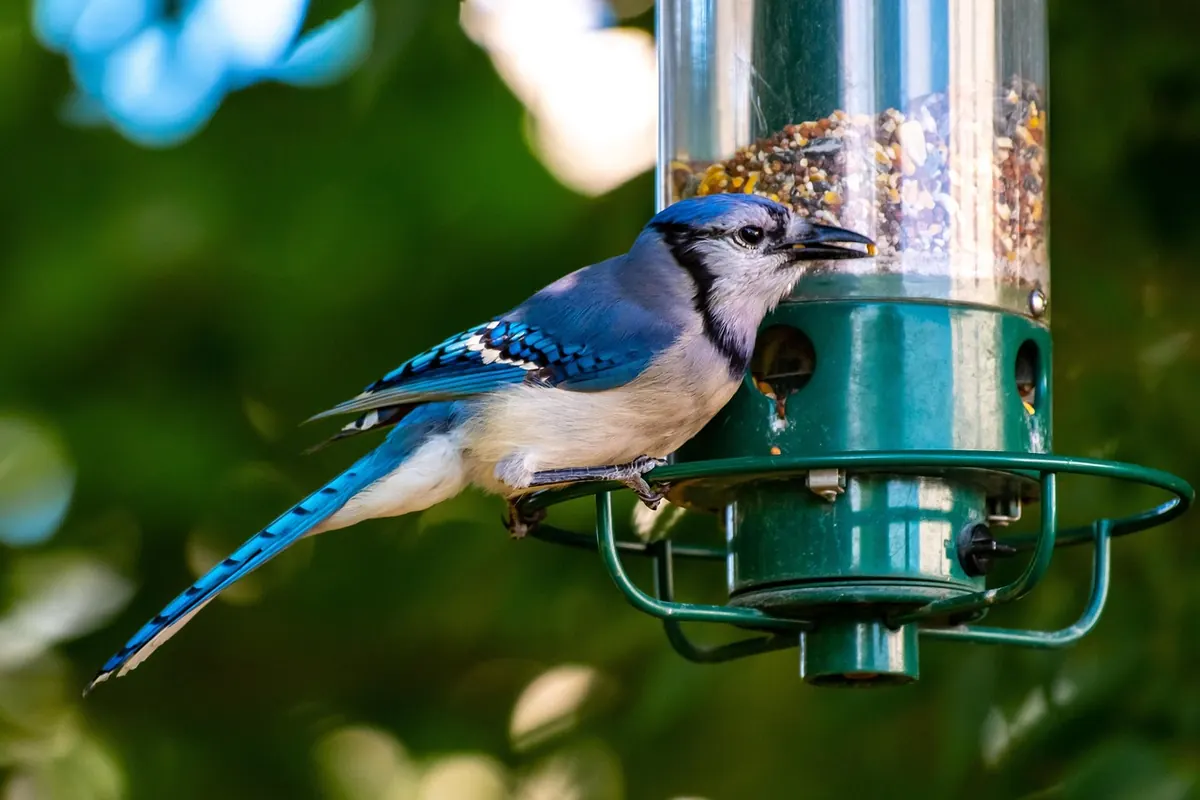
A robin lands on the back of a garden chair, tilts its head and looks at you. That is usually how it starts — one small, busy bird you cannot quite name, and a sudden wish to know what it is. Garden birdwatching asks very little of you. No binoculars are essential, no travel, no membership. A feeder, a window and twenty quiet minutes will do, and the birds tend to arrive sooner than people expect.
Beginner kit lists are almost always too long. You need one feeder, something to hang it from, and food that British garden birds already recognise. That is enough to begin.
A single hanging feeder filled with sunflower hearts will bring in more species than three feeders of cheap mixed seed, most of which gets sorted through and kicked onto the lawn. Tits, finches, sparrows and nuthatches take them readily and little is wasted.
If you have room for a second, choose a flat tray rather than another hanging feeder. Trays suit the birds that prefer to feed lower down: blackbirds, robins, dunnocks and the occasional song thrush. Suet balls in a proper holder and peanuts in a mesh feeder come into their own in winter, when tits and woodpeckers need the fat.
A window feeder is fine for a flat or a small yard, and a shallow bird bath is arguably worth more than any second feeder, because water is needed for drinking and bathing all year round.
Where you hang a feeder matters more than what you put in it. Birds will not settle anywhere they feel exposed, so cover needs to be a short hop away and the approach clear.
If cats use your garden, feed at a height and keep cover clear beneath the feeder. Feeders and hunting cats do not mix.
Feeding birds carries one obligation: cleanliness. Mouldy food and dirty feeders spread disease, and finches in particular have suffered from illnesses linked to crowded, unhygienic feeding stations.
Clean feeders every fortnight, and weekly in warm or damp weather, using warm soapy water. Rinse them well, let them dry, then refill. Never put out food that is wet, clumped or furry, and sweep up spilled seed and droppings underneath. Move feeders to a fresh spot now and then rather than leaving them in the same place all year.
If you see a bird that looks fluffed up, dull or unusually slow to move, take the feeders down for a fortnight, clean everything thoroughly and let the site rest before starting again.
Water should be shallow and refreshed daily, with the dish scrubbed out weekly. In a hard frost, pour warm water over the ice rather than adding salt, and keep a second dish indoors ready to swap in.
The garden is rarely busy all day. Birds feed hardest in the first hour or two after dawn and again in the late afternoon before they go to roost, so a quiet midday garden is normal rather than a sign that something is wrong.
Weather shifts things too. A cold snap or a run of wet days pushes birds towards feeders, while a mild, still morning in midsummer can be strangely quiet because there is plenty of natural food about. Winter is the season when garden feeding matters most.
Twenty minutes of sitting still usually shows you more than an hour of moving about. Settle somewhere with a clear view, keep your movement slow, and give the birds time to drift back after you arrive.
You will meet the same few species first, and they separate easily once you know what to look for. Blue tits hang upside down, blue-capped and yellow-fronted. Great tits are bigger, with a black head and a broad black stripe down the chest. Robins are unmistakable and often the boldest bird in the garden. Blackbirds work the ground, flicking through leaf litter. Dunnocks are the quiet brown ones under the hedge — easily overlooked, worth the patience. Goldfinches arrive in chattering groups with red faces and flashes of gold.
Record keeping sounds like homework and takes about a minute. Note the date, the time you started and finished, the weather, and the species you saw with a rough count. Counting the most birds visible at one time, rather than adding up every arrival, stops you counting the same blue tit six times.
Do it the same way each week — same spot, same duration, same time of day — and the notes begin to mean something. You will spot the week the goldfinches find the nyjer feeder, and the morning the first redwings appear after a cold front. A notebook or a note on your phone is fine. Nobody remembers it otherwise.
Put the feeder where you already sit, not at the far end of the garden. Fill it on the same day each week, and clean it on that day too, so neither job gets forgotten. Then keep one twenty-minute watch a week — a Saturday morning suits most people — and write down what you see.
That is the whole practice. The first ten species arrive quickly and the list slows after that, which is exactly what makes it interesting. A garden watched for a year becomes a different place: you notice the first blackbird song, the stillness of an August afternoon, the sudden arrival of winter visitors, and the ordinary birds going about their day a few feet from the kettle.
Photo: PilotBrent / Pixabay