Trending

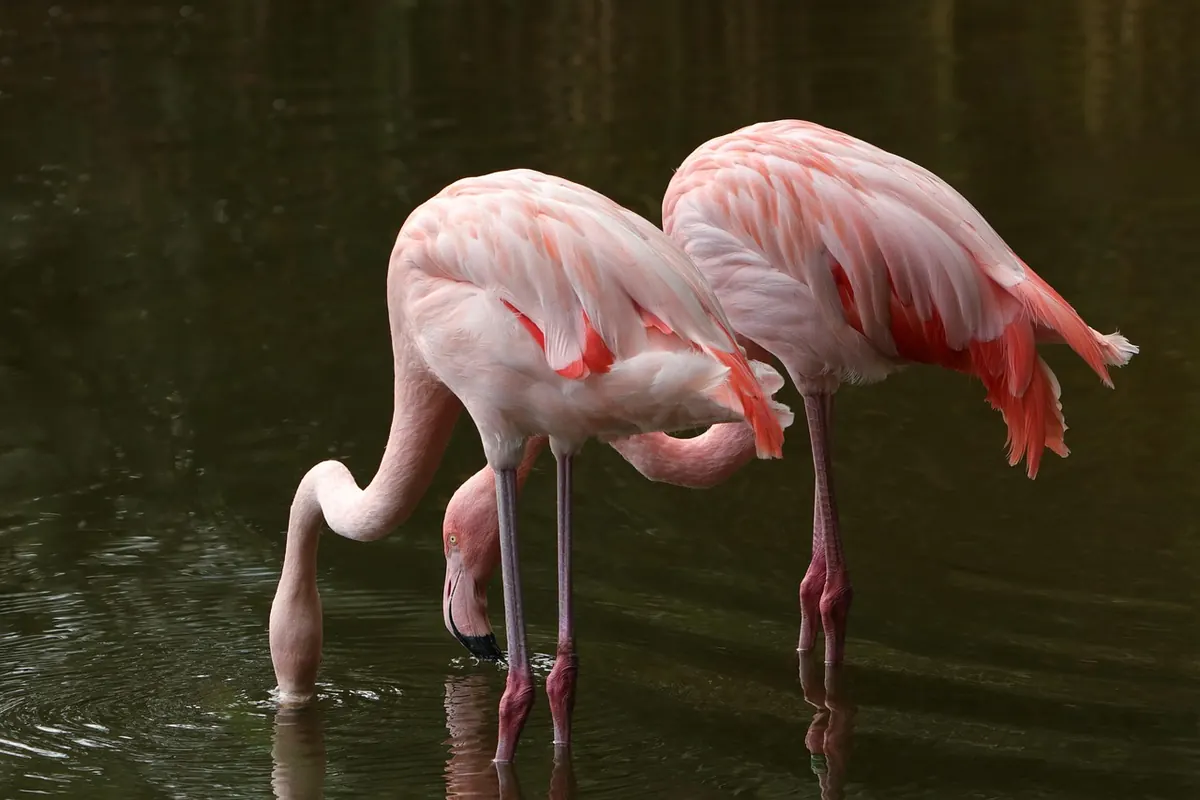
A wetland reserve looks straightforward on the map. Flat paths, a few hides, maybe an estuary at the edge. Then you arrive to find the boardwalk ankle-deep, the nearest hide full, and the tide already creeping across the mudflats you had planned to walk beside. None of that ruins a good day out. It simply helps to plan for it, because wetlands change more between visits than almost any other landscape.
Water levels decide everything else. A path that is bone dry in August can be a shallow stream in February, and a reserve that looks open and inviting from the car park may have only one route that stays above the waterline in a wet spell.
Before you go, look at the reserve's own website or visitor information. Many wetlands publish seasonal notes — which trails flood, whether boardwalks have been replaced, whether a hide is closed for repair. If you cannot find anything, ring the visitor centre or check a recent trip report. A two-minute phone call saves a sodden walk back to the car.
Season shapes the visit too. Late spring brings reedbed birds and a lot of song, autumn fills the scrapes with wildfowl arriving from further north, and winter gives you big flocks and dramatic light but short afternoons. High summer is glorious for dragonflies and damselflies, though the vegetation grows tall and the insects include you on the menu.
This is the decision that makes or breaks the day, and the honest answer is that it depends on the surface under your feet.
Wellies are the right call for flat reserves with standing water, muddy gateways and shallow flooding. They rinse clean in minutes, which matters if there is any chance of bringing something unwanted home on your soles. The trade-off is comfort. On a long loop they rub, offer little ankle support, and grip poorly on wet timber and tree roots.
For a longer circuit — gravel tracks, shingle, roots, uneven grass and a couple of miles of estuary bank — boots win. Choose something with a proper tread rather than a smooth sole, and treat the leather or fabric before winter. They will cope with damp grass and puddles, but not with water above the ankle.
Short gaiters over boots keep splashes and mud out of your socks. If you own quick-draining walking shoes, waterproof socks make a surprisingly good combination on wet but shallow ground. Whichever you choose, pack a spare pair of socks and a plastic bag for wet footwear. It is a tiny thing that rescues an afternoon.
On any coastal or estuarine wetland, the tide is the timetable. Tide tables give high and low water for a named reference port, and the times at your reserve can differ by a useful margin, so add a buffer in both directions rather than treating the table as exact.
Think about what you want to see. Low water exposes mud and attracts wading birds, and the couple of hours either side of it is often the best window for a hide. High water pushes birds closer to the edges and can cover paths, causeways and viewing points entirely.
Two cautions are worth repeating. First, do not walk out onto mudflats or cross a channel to get a better view; soft mud can be deeper than it appears and channels fill quickly. Second, on some estuaries the incoming tide moves across flat ground faster than you can comfortably walk back. Stay on marked paths, read any safety signs, and if a route looks flooded, treat that as a closed route.
A hide is a shared, quiet room with a view, and small habits make a big difference.
Hides reward patience more than kit. The best sightings usually come after the fidgeting stops.
Wetlands are exposed, damp and often windier than the car park suggests, so layers beat a single thick coat.
Boardwalks turn slippery when wet, especially where algae and moss have taken hold, so shorten your stride on timber and steps. Keep dogs on leads where asked, give nesting areas a wide berth, and tell someone where you are going if the reserve is remote or your phone signal is patchy.
Long grass and wet ground mean ticks, so wear long trousers, check yourself afterwards, and remove any bite carefully with fine tweezers. If you feel unwell in the days following a bite, speak to a pharmacist or your GP. The same applies to insect stings and any reaction that concerns you.
Pick a small reserve close to home rather than a huge estuary on your first outing. Check water levels and tide times the day before, match your footwear to the ground you will actually be walking on, and arrive early while the place is quiet. Spend twenty minutes in a hide doing nothing at all. Take spare socks and take your litter home. Do that once and you will already know what to plan differently next time.
Photo: Marjonhorn / Pixabay