Trending

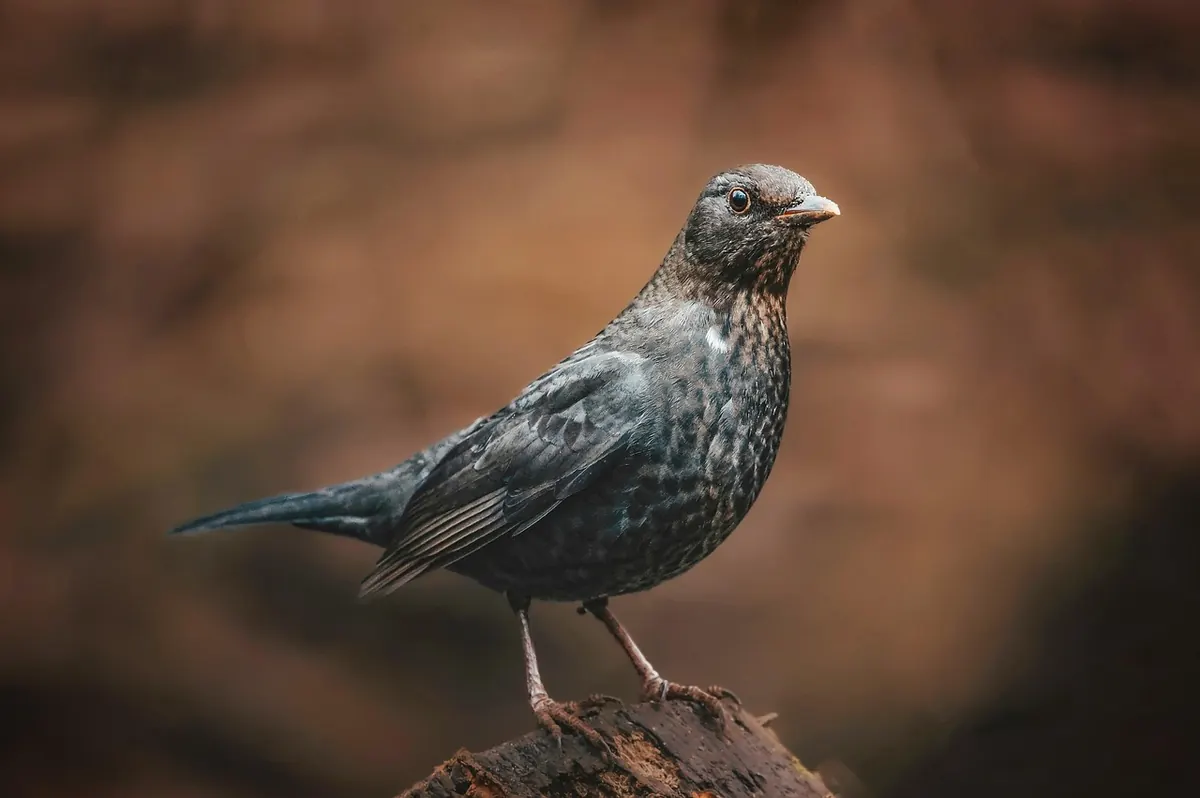
You spot a small brown bird in the hedge. Up come the binoculars, and by the time you have found it, it is gone — leaving you with a blur, a vague sense of "sparrowish", and the suspicion that you have just missed something good.
Every birdwatcher knows that feeling, including the ones with decades of lists behind them. The difference is that experienced birders made most of their mistakes early, noticed them, and quietly fixed them. Here are ten of the most common, grouped where they cause the most trouble, and what to do instead.
The urge to name a bird within seconds is strong, and it is the single biggest source of errors. Names come at the end of the process, not the start. Look first, and look properly.
Work through a short mental checklist before you reach for a guide or an app:
Say the description out loud or scribble it down while the bird is still in view. If it flies, you will still have something to work with. And start with the ordinary answer: most small brown birds really are sparrows, dunnocks or female blackbirds.
Birds read movement, shape and sound long before they read colour. A steady, noisy walk down a hedgerow will empty it ahead of you, and you will never know what you missed.
Stand still for five minutes and the wood starts moving again. Everything that hid while you were crunching along the path comes back out.
Use call playback sparingly, if at all, and never repeatedly close to a nest or during the breeding season. It costs birds energy they cannot spare.
Waterproof clothing is the classic giveaway. The crisp fabric that keeps you dry also announces every step, and so do keys, coins, Velcro, and a bag of crisps opened at the crucial moment.
A few easy fixes:
Most new binoculars are used badly, and not through any fault of the owner: nobody explains that they need five minutes of adjustment. Set the eyecups so you see one circle rather than two, adjust the hinge until the view is a single round image, and set the dioptre so both eyes focus equally. Then shorten the strap so the binoculars sit high on your chest, not halfway down your ribs.
The bigger skill is finding the bird without them. Locate it with your naked eye, hold it there, and raise the binoculars without moving your head — both eyes open, chin steady. Practise on a garden feeder, a street sign, a distant chimney pot. Ten minutes at home saves hours in the field.
Most birds are heard before they are seen, and plenty are never seen at all. Learning a dozen local calls will change your walks more than any new piece of equipment.
Start with the common ones: robin, wren, blackbird, great tit, wood pigeon, and the alarm calls that go up when a sparrowhawk passes through. Then accept that some pairs are genuinely difficult. Chiffchaff and willow warbler are the classic test, and there is no shame in leaving a bird unidentified.
Recordings and song apps are useful for learning at home, but in the field let your ears lead. That thin, high call you keep ignoring is often the most interesting bird of the morning.
A rare bird will always draw a crowd, and there is nothing wrong with going to see one. But if every outing is a drive somewhere new, you never learn what normal looks like — and noticing the unusual depends entirely on knowing the usual.
Pick a walk you can reach easily and visit it often. Go at different times of day, in different weather, through all four seasons. Note which birds arrive in March and which slip away in September. On estuaries, watch how the rising tide pushes waders closer to the shore. A familiar patch teaches more in a year than a dozen scattered trips.
Nothing is worth an abandoned nest or a bird kept from feeding. Keep a sensible distance, especially near nests and roosts, stay on paths where the ground is fragile, and close gates behind you. Dogs, even impeccably behaved ones, should be kept close and away from the water's edge where birds rest and feed.
Some species have extra legal protection during the breeding season, so if you find a nest of anything unusual, watch from a distance and check the rules before going any closer. If you are unsure whether land is open to the public, ask. A short detour is a small price for leaving a site as you found it.
A notebook and a bit of patience will take you further than any purchase. The mistakes above are not signs that you are bad at this; they are simply the things everyone does before they learn better. Fix one or two this month, and the next walk will already feel different.
Photo: Netti_Nu_Nu / Pixabay